A structured first draft appears quickly enough that students can focus on revision quality instead of rebuilding the figure from scratch.
Prof. Lin Qian
Professor of Biomedical Engineering
North River University
Plans from $4.90/mo billed yearly
Paste your study context, set the figure goal, and generate a structured draft for papers, posters, lab updates, and grant decks.
Product Preview
Figure workspace

46 sec
median time to a reviewable first-draft preview
From $4.90/mo
clear entry pricing for individual researchers on yearly billing
PDF, SVG, PNG
export paths prepared for papers, posters, and slides
First-Draft Flow
Teams usually need one thing: a figure that is clear enough to review quickly. This flow shows how ipaperbanana turns raw study context into something worth iterating on.
Step 01
Paste study context
Add the methods, dataset, or workflow details that need to appear in the figure.
Step 02
Set the figure goal
Tell the system what the reader should understand after one quick scan.
Step 03
Export and refine
Review the structured draft, then move to SVG, PDF, or PNG for final polishing.
Best Fit
If visitors can immediately see their use case, they convert faster. These are the three most common entry points for ipaperbanana.
Manuscript Prep
Turn recruitment, preprocessing, analysis, and validation into a figure that reads clearly in a paper or supplement.
Preview this workflowGrant And Proposal Work
Draft workflow visuals for grants, decks, and internal reviews when narrative clarity matters more than decorative styling.
Preview this workflowData Communication
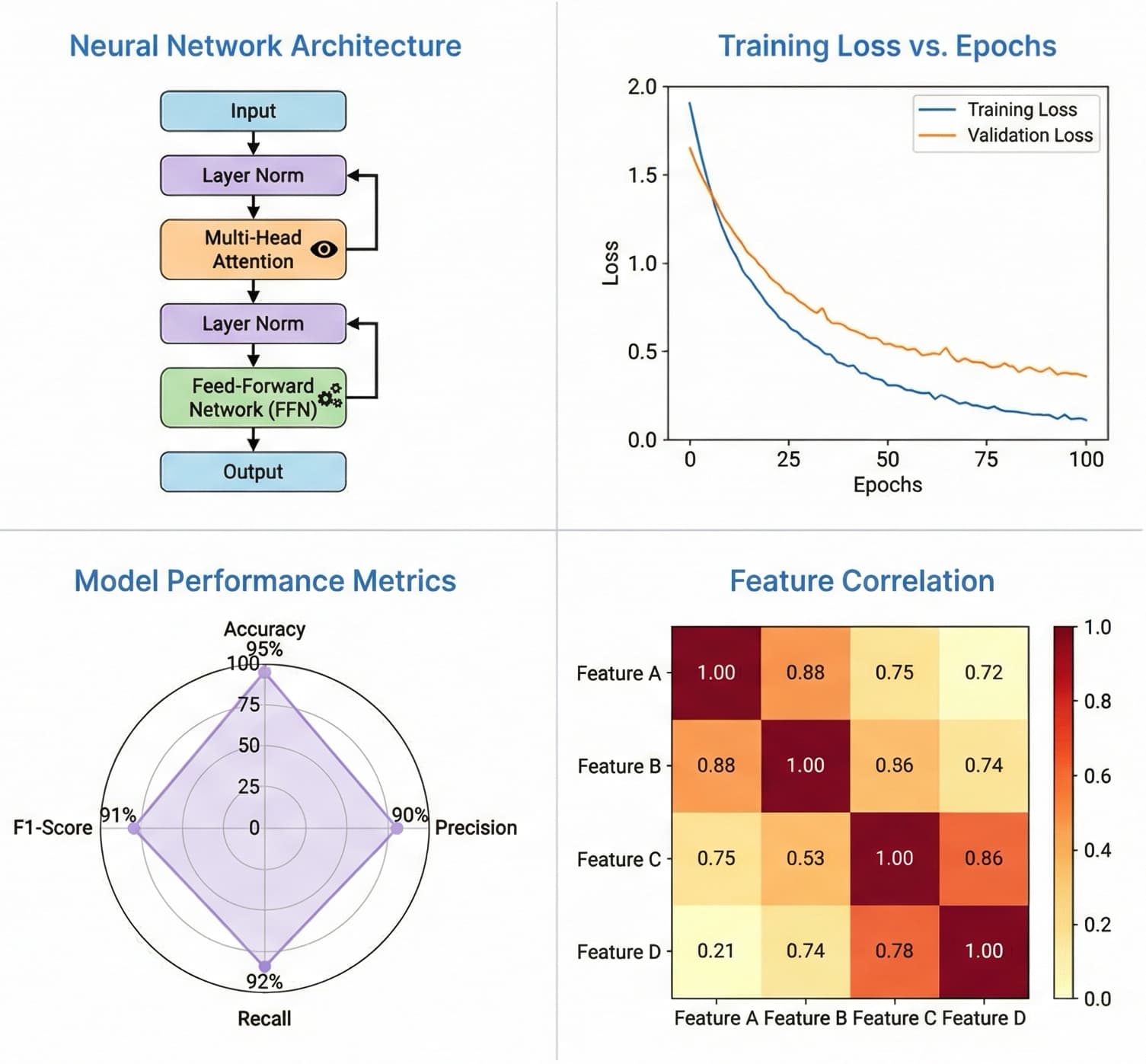
Create bar, heatmap, and multi-panel figures that stay tied to the values and story you provide.
Preview this workflowCreate Your Visual
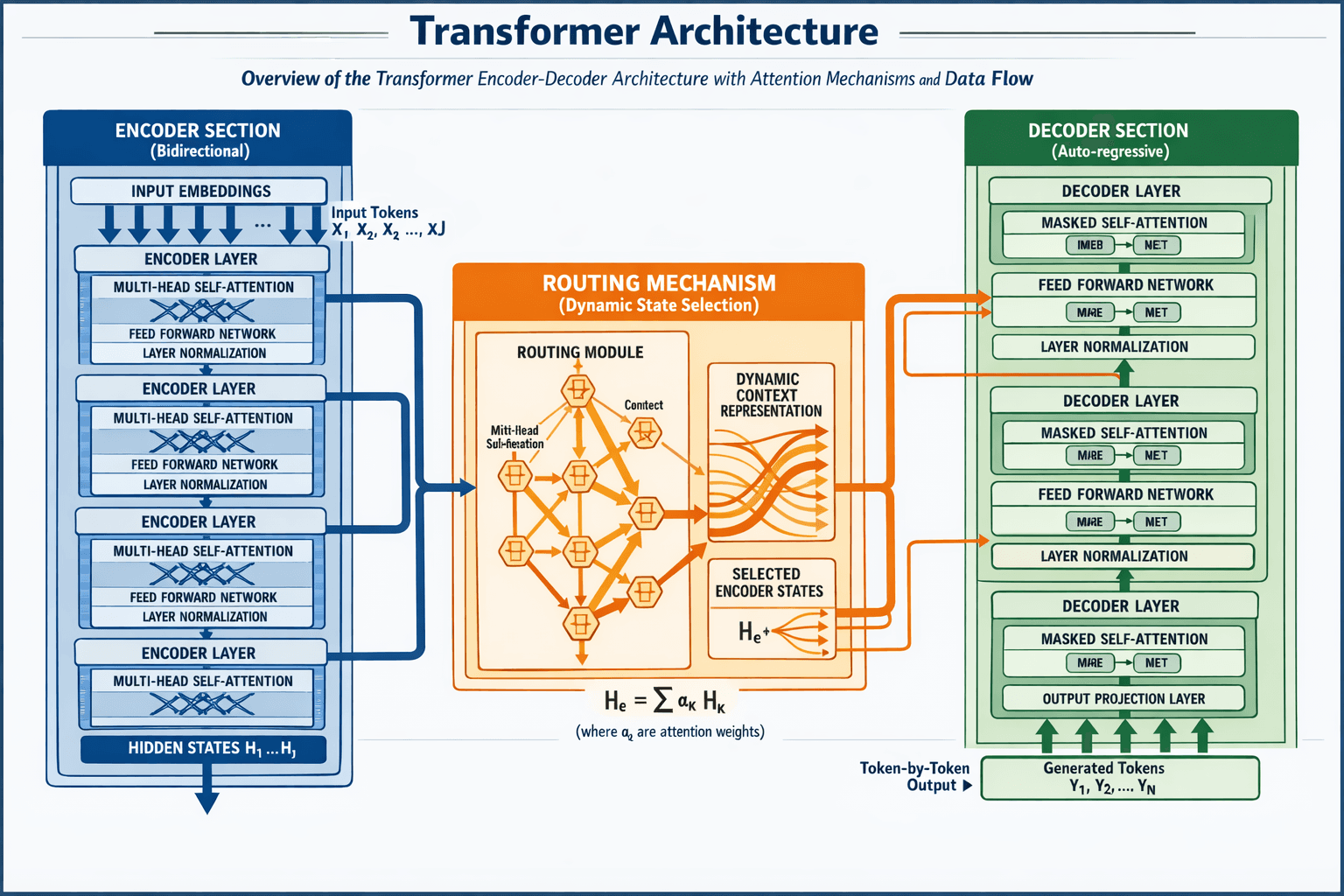
The embedded demo shows the input structure, generation controls, and output style teams can expect before selecting a plan.

Overview of the Transformer encoder-decoder architecture with attention mechanisms and data flow
Why Teams Switch
The page now emphasizes the outcome visitors actually buy: a cleaner, faster route from research context to a figure worth reviewing.
Start from source material, not prompt guesswork
ipaperbanana treats your notes, captions, and figure intent as the brief. That keeps panel structure, labels, and sequencing closer to the actual study instead of forcing repeated prompt rewrites.
Get to a reviewable first draft faster
The workflow separates grounding, planning, rendering, and QA into distinct steps so the first output is easier to critique in lab review, advisor feedback, or manuscript iteration.
Keep the output usable after generation
The goal is not novelty for its own sake. Drafts are shaped for export and downstream editing, so teams can keep polishing the figure instead of recreating it from scratch.
How It Works
Each figure moves through distinct grounding, planning, rendering, and review stages so teams spend less time repairing vague outputs later.
Extracts the relevant study context, terminology, and structural cues from your source material before figure planning begins.
Maps the figure into panels, stages, labels, or chart components so the output has a defensible visual structure.
Applies research-oriented layout rules, restrained color, and annotation choices that suit academic communication.
Builds the draft figure preview with attention to spacing, visual hierarchy, and format-specific composition.
Checks semantic fit, chart legibility, and presentation quality before the result is surfaced for export.
Researcher Feedback
The strongest signal is that drafts are usable early: clear enough for supervisor review, concise enough for proposals, and structured enough for manuscript discussion.
18+
active labs and research groups
46 sec
median time to first draft
4.8/5
internal clarity satisfaction target
A structured first draft appears quickly enough that students can focus on revision quality instead of rebuilding the figure from scratch.
Prof. Lin Qian
Professor of Biomedical Engineering
North River University
The hierarchy is clearer from the start, so our internal review rounds move faster before final publication polishing begins.
Dr. Helena Zhou
Senior Research Scientist
Institute for Intelligent Materials
Dense workflows become concise visuals that collaborators understand immediately, especially for talks, grants, and proposal reviews.
Dr. Marcus Tan
Research Fellow
Center for Applied Systems Research
Gallery Showcase
Representative figure directions make the product tangible quickly, which reduces uncertainty before the first click on the create workflow.

Quantitative Research
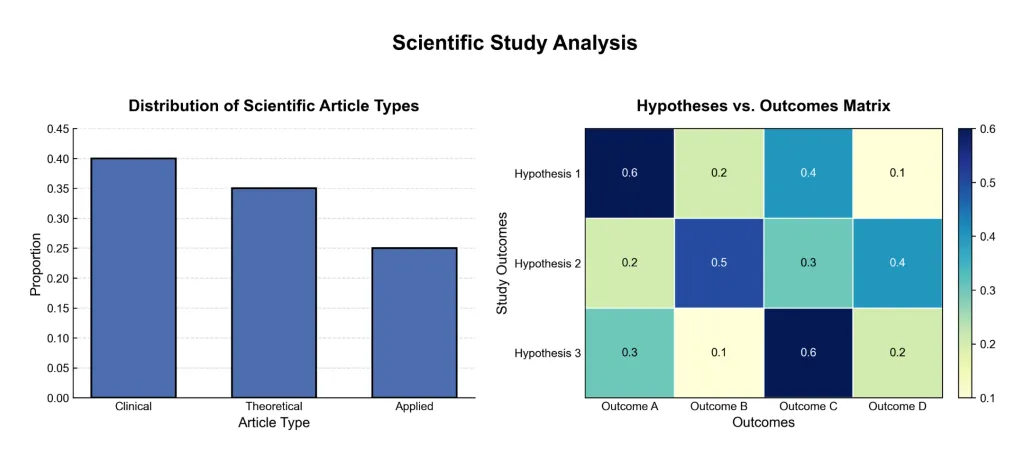
Combines a distribution bar chart with a hypotheses-versus-outcomes heatmap so readers can scan evidence balance and study alignment in one figure.

Generative Workflow
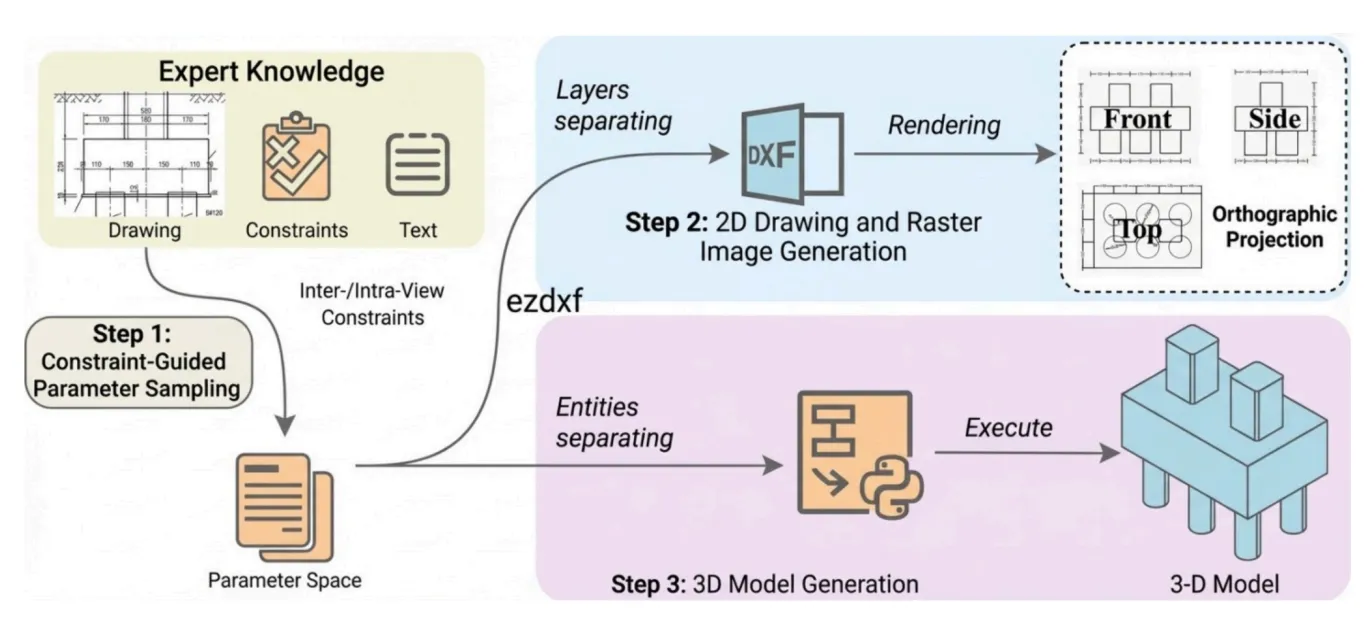
Maps how drawings, constraints, and text feed parameter sampling, orthographic rendering, and final 3D model generation across a staged workflow.

Model Architecture
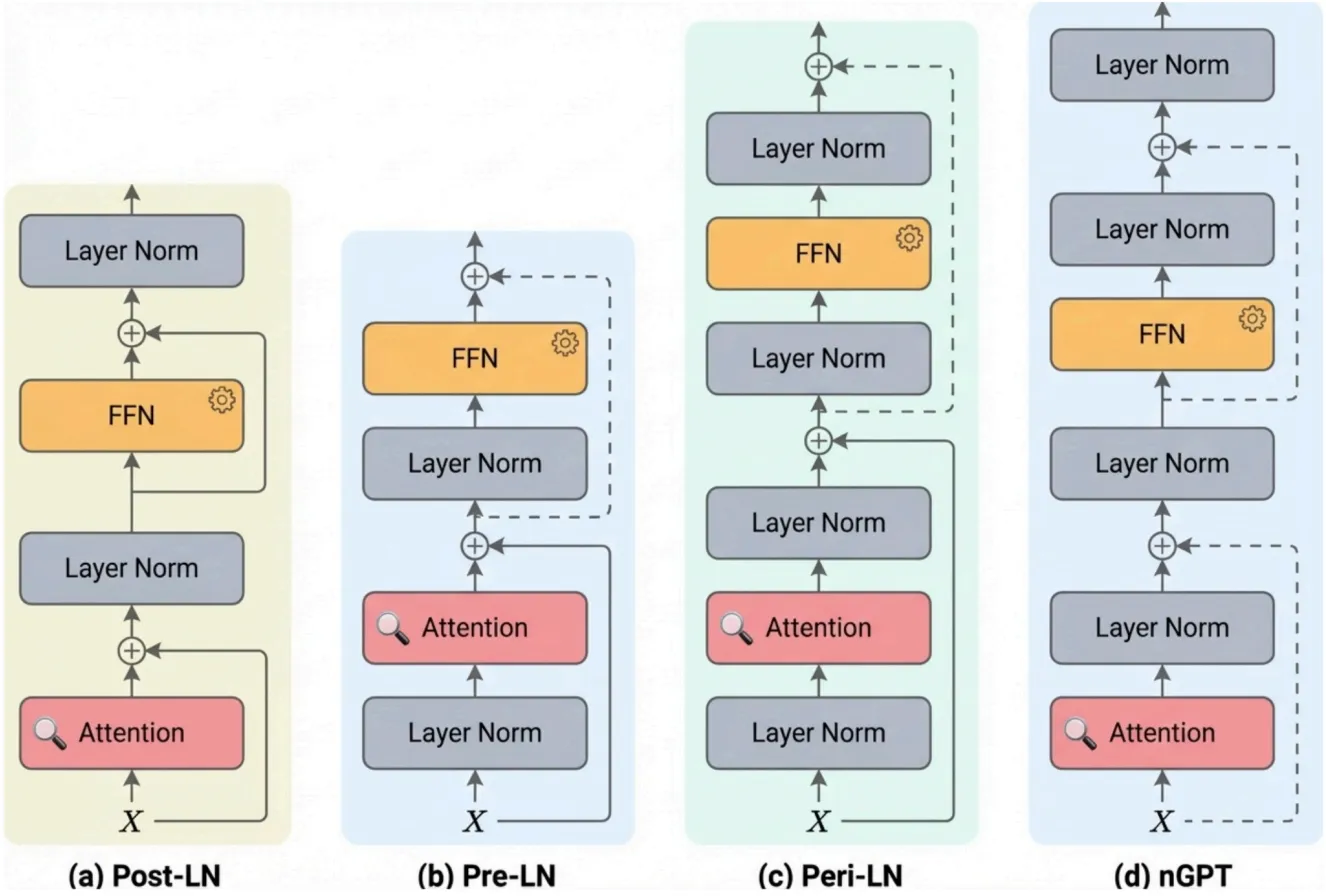
Places Post-LN, Pre-LN, Peri-LN, and nGPT blocks side by side so structural differences are legible without dense paragraph explanation.

Business Reporting
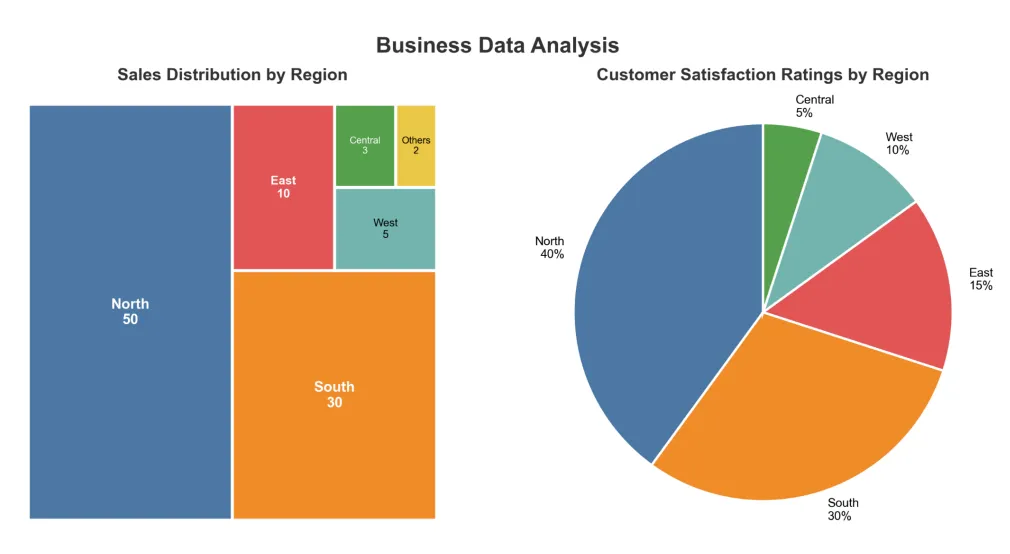
Pairs a sales treemap with a satisfaction pie chart to show how commercial data can be summarized in a clean two-panel reporting layout.
Built For Researchers
The strongest conversion argument is not abstract AI capability. It is faster figure preparation, clearer review cycles, and outputs that stay useful after the first generation pass.
A structured first draft replaces the slowest part of figure creation: arranging boxes, labels, arrows, and chart hierarchy from a blank canvas.
Teams can critique the story, ordering, and missing evidence earlier because the visual hierarchy is already visible in the first pass.
Chart-oriented workflows aim to preserve the numbers, labels, and emphasis you provide so visual polish does not come at the cost of accuracy.
The same workflow can be tuned for journal figures, grant decks, posters, and teaching visuals without switching tools mid-process.
Researchers can start with an individual plan and move to higher-volume tiers when a lab needs more throughput, richer exports, or team support.
Multi-pass refinement helps tighten annotation clarity, panel ordering, and figure readability before the asset reaches final production.
Quality Metrics
These indicators are presented as product benchmarks and review goals, not unconditional guarantees. They help explain how quality is evaluated across the workflow.
Semantic fidelity
92/100
Internal QA target for how closely the figure structure follows the provided research brief and intended message.
Numerical precision
99.2%
Chart generation benchmark for preserving supplied values and reducing silent visual drift in plotted outputs.
Visual polish
4.8/5
Reviewer satisfaction target for spacing, annotation discipline, and overall figure presentation quality.
Information compression
3.1x
Average reduction in explanatory burden when dense methods content is translated into a concise visual summary.
Pricing
Clear pricing reduces decision friction. Paid tiers primarily scale credits, export depth, and turnaround for solo researchers, labs, and higher-volume teams.
Perfect for individual researchers getting started.
Best for one-off paper or class-project figures.
Billed $58.80/yr
100 credits
Choose this plan when it matches your figure volume and export needs.
For active researchers who publish regularly.
Best for regular manuscript, poster, and deck production.
Billed $82.80/yr
400 credits
Choose this plan when it matches your figure volume and export needs.
For labs and teams with high-volume needs.
Best for labs, teams, and higher-volume workflows.
Billed $238.80/yr
1,500 credits
Choose this plan when it matches your figure volume and export needs.
The product keeps core figure generation consistent across plans. Most upgrades are driven by credit volume, export format needs, and faster turnaround for teams.
Sign in is required before Stripe checkout so credits can be issued to the correct account after payment.
FAQ
The FAQ covers scope, output behavior, data handling expectations, and how figures fit into formal publication workflows.
ipaperbanana is built around figure structure, research context, and iterative review rather than open-ended image synthesis. The workflow is tuned for method diagrams, charts, explanatory figures, and visual communication tasks that need to read clearly in research documents.
Final Call To Action
Review the workflow, compare plans, and choose the level of throughput, export depth, and team support that matches your research workload.